Septic System Relocation in Denver, CO
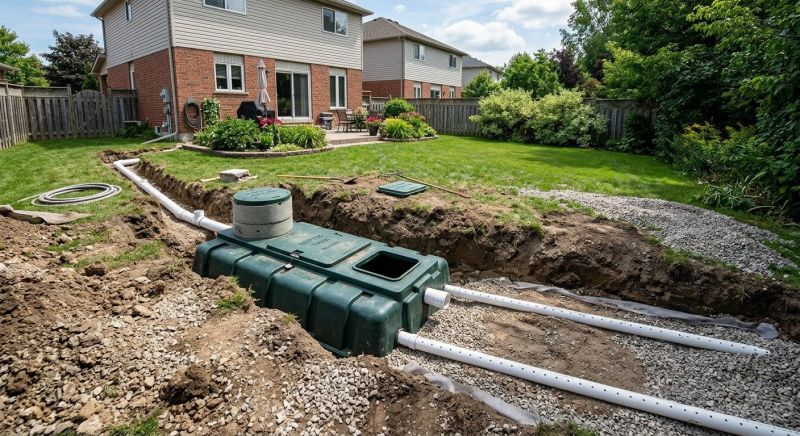
Septic system relocation services involve moving an existing septic tank and associated components to a new area on a property. This process is often required when a property owner plans to build an addition, change the landscape, or repurpose land that currently contains a septic system. Projects can vary from relocating a septic tank to accommodate new construction, to repositioning the system for better access or improved functionality. Property owners typically want to understand the scope of work involved, the impact on their land, and any necessary permits or regulations that apply in Denver, CO and nearby areas before requesting this service.
Before requesting septic system relocation, property owners should consider factors such as the condition of the existing system, the distance to the new location, and the suitability of the new site for septic installation. It’s important to evaluate soil conditions, access for equipment, and compliance with local health and building codes. Understanding these details helps ensure a smooth transition and proper functioning of the septic system after relocation. Contacting experienced professionals can provide guidance on planning, site assessment, and the steps needed for a successful project.
Many property owners in Denver, CO look into Septic System Relocation for repairs, replacements, upgrades, and appearance-related improvements.
Reasons For Septic System Relocation
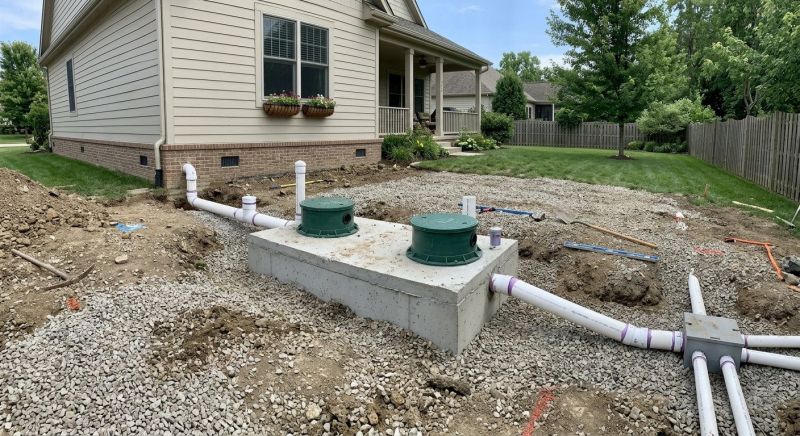
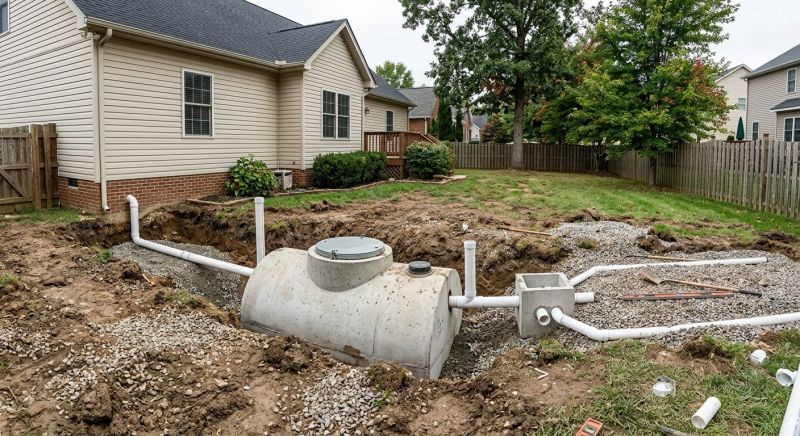
Property changes or upgrades may require moving an existing septic system to ensure proper function and compliance.
Key Considerations For Moving A Septic System
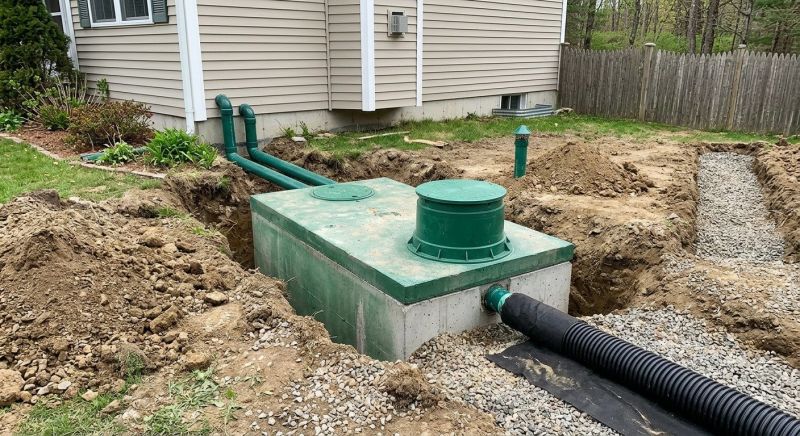
Proper site assessment, soil conditions, and local regulations are essential for a successful septic system relocation.
Benefits Of Professional Septic System Relocation
Expert services help minimize disruptions and ensure the system is correctly installed for long-term reliability in denver area properties.
Septic System Relocation in Denver, CO

Septic system relocation services involve moving an existing septic tank and associated components to a new area on a property. This process is often required when a property owner plans to build an addition, change the landscape, or repurpose land that currently contains a septic system. Projects can vary from relocating a septic tank to accommodate new construction, to repositioning the system for better access or improved functionality. Property owners typically want to understand the scope of work involved, the impact on their land, and any necessary permits or regulations that apply in Denver, CO and nearby areas before requesting this service.
Before requesting septic system relocation, property owners should consider factors such as the condition of the existing system, the distance to the new location, and the suitability of the new site for septic installation. It’s important to evaluate soil conditions, access for equipment, and compliance with local health and building codes. Understanding these details helps ensure a smooth transition and proper functioning of the septic system after relocation. Contacting experienced professionals can provide guidance on planning, site assessment, and the steps needed for a successful project.
Many property owners in Denver, CO look into Septic System Relocation for repairs, replacements, upgrades, and appearance-related improvements.
Common Septic System Relocation Jobs
Septic System Relocation - Moving an existing septic system to accommodate property expansion or improvements.
Property Development - Adjusting septic placement for new construction or land subdivision projects.
Drainfield Replacement - Relocating the drainfield to ensure proper function and compliance with regulations.
Site Reconfiguration - Shifting septic components to optimize space and accessibility on the property.
Environmental Compliance - Ensuring septic system relocation meets local health and environmental standards.
System Upgrades - Moving septic systems to accommodate newer, more efficient treatment options.
Septic System Relocation Questions
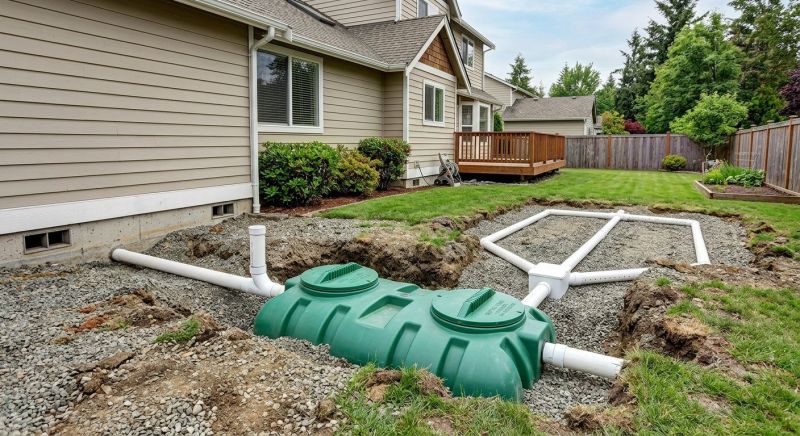
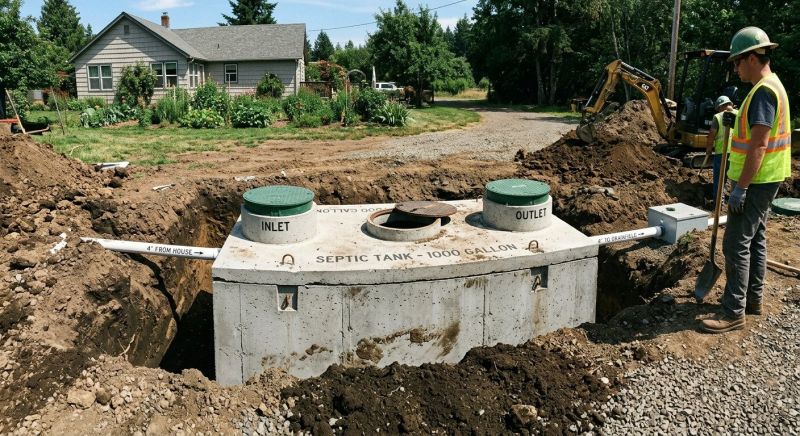
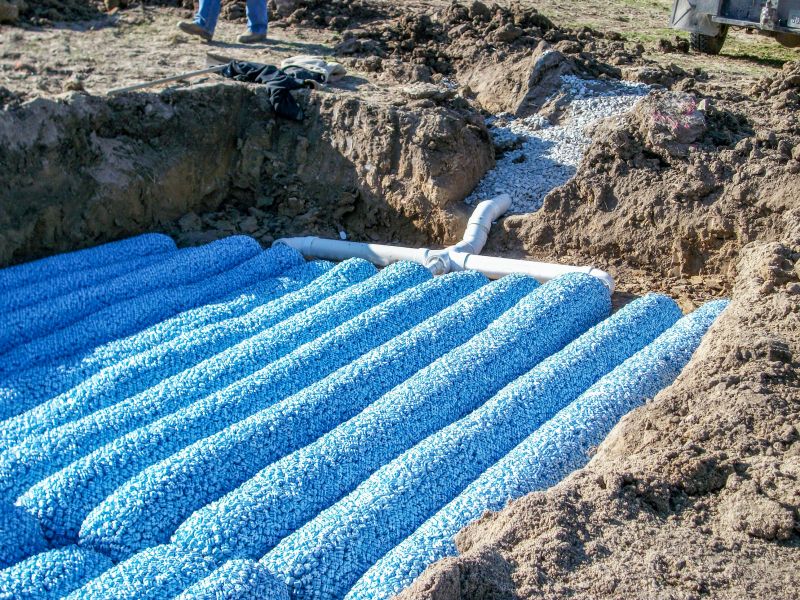
What is involved in relocating a septic system? The process includes excavating the existing system, preparing a new site, and installing the components to ensure proper function and compliance with local codes.
When should a septic system be relocated? Relocation may be necessary due to property expansion, drainage issues, or new construction projects that affect the current system's placement.
What should property owners consider before moving a septic system? It's important to evaluate the new site’s suitability, ensure proper distance from wells and property lines, and check local regulations for setbacks and permits.
Can a septic system be moved without disrupting property use? Proper planning allows for the system to be relocated with minimal impact on property activities, though some disruption during excavation and installation is expected.
Request Septic System Relocation in Denver, CO
Use the quote form on this page to share the basics of your project and request more information for the type of work you need.